● Live

SKYDIVE·LIVE

The jump. Live.

Real-time video from freefall — the jumper's POV, streamed live from ~4 km up to a receiver at the drop zone, onto the big TV in the waiting area. Own radio link, no internet, ~14 ms latency, Class-E.

4000 m 14 ms 4 km 1 W Class E
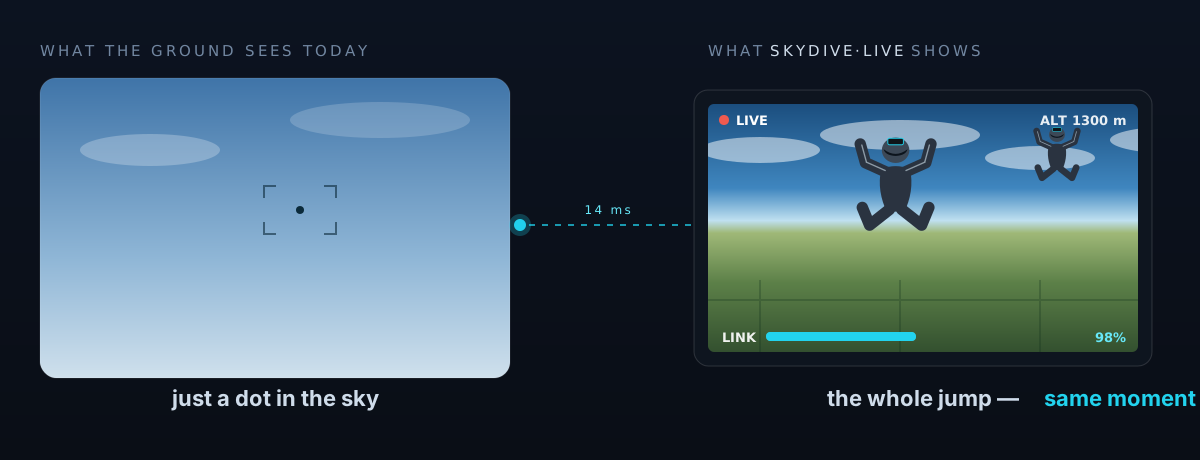
The idea in one glance

A dot — or the whole jump.

Today the ground sees a speck in the sky. SkyDive·Live puts the jumper's own view on the screen — the same moment, ~14 ms later. No skydiving knowledge required.

Left: what the ground sees today — a dot in the sky. Right: what SkyDive·Live shows — the freefall POV live on a monitor, same moment.
What it is

Action-cam size. 1-watt reach.

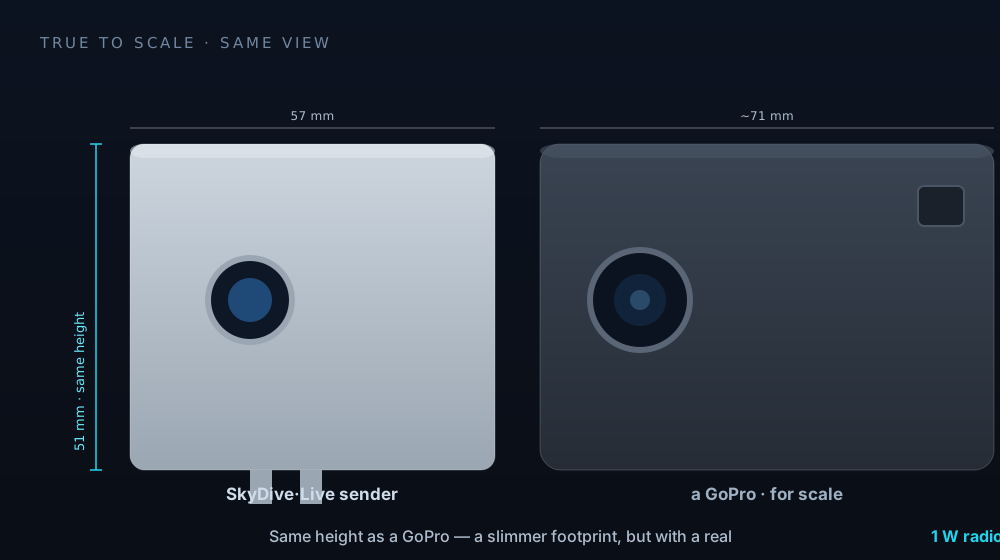
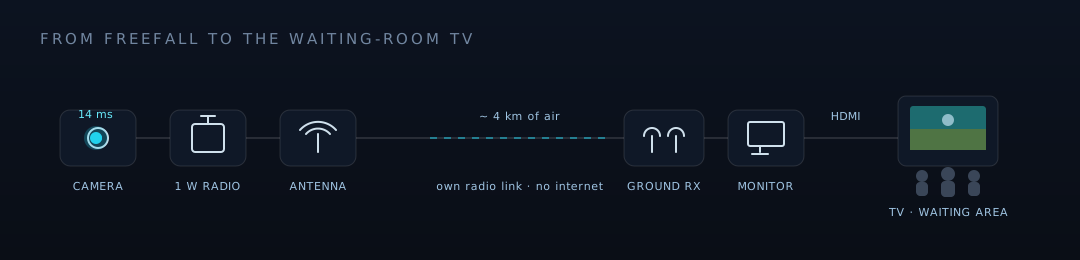
Same height as a GoPro, same helmet mount — but inside is a real 1 W radio that closes 4 km. And here's the whole path the picture takes, helmet to the waiting-room TV.

True-to-scale size comparison: sender vs a GoPro, same height The signal's journey: camera, 1 W radio, antenna, 4 km of air, ground antennas, receiver, HDMI, to the big TV — about 14 ms.
The hardware

The sender, in your hands.

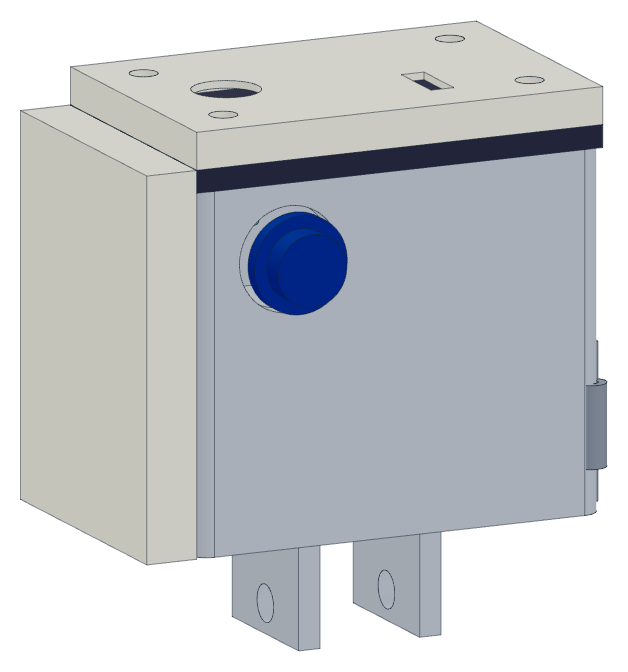
A GoPro-form-factor transmitter that rides on the helmet. Drag to inspect it, or pull it apart to see what's inside.

SkyDive·Live sender — interactive 3D model (drag to rotate)

drag to rotate · toggle assembled ↔ exploded

Play the jump

A body is a shadow.

Spin the jumper head-down (head-first) and his own body blocks the antenna. Watch one antenna drop. Switch on the second — the image holds.

BELLY
4000 m · FREEFALL
LIVEBELLY · 4-WAY00:12:04
NO SIGNALantenna blocked by body
LINK
100%
● LIVE — image holdsdrop < 25 %
Belly = face down · Sit = feet down · Head-down = head first · Back = face up
Drag the jumper · or pick a pose · then switch on 2 antennas
The numbers

Closing 4 km of sky.

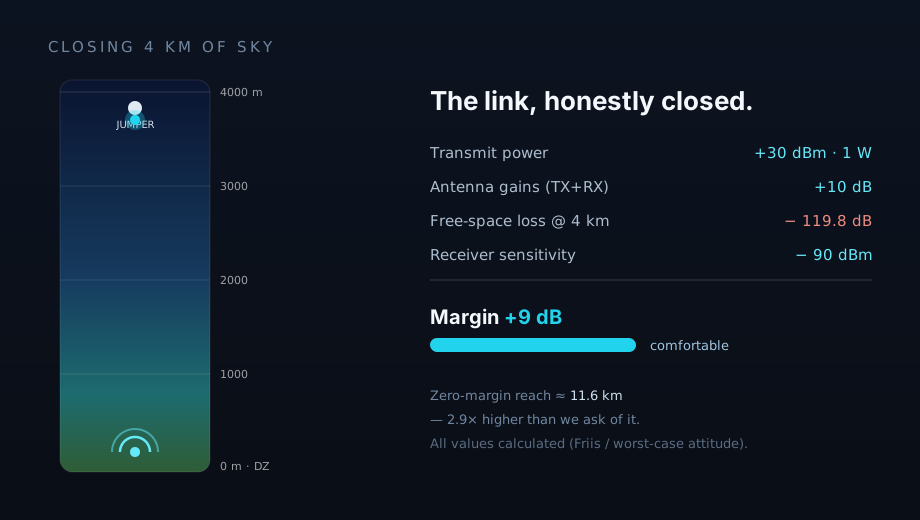
Link budget closing 4 km: +30 dBm transmit, −119.8 dB free-space loss, +9 dB margin, zero-margin reach 11.6 km.
119.8 dB
FSPL @ 4 km
+9 dB
link margin
≈ 6 K
ΔT freefall
~14 ms
latency
1 W
TX power

Worst-case omni TX, unfavourable attitude — full link budget & thermal model in ENGINEERING.md →

Build it yourself

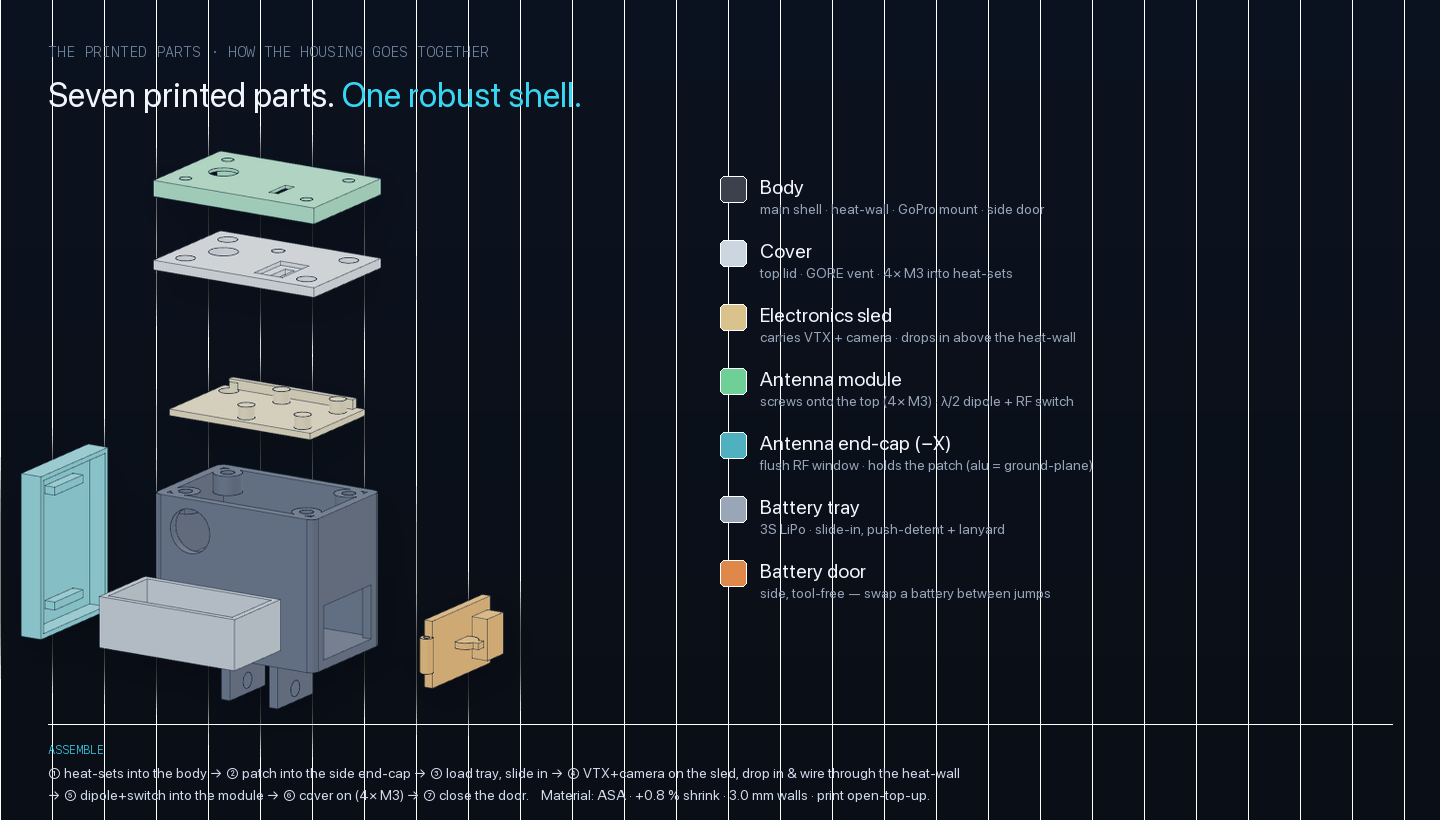
Seven printed parts. One robust shell.

Two builds, one idea — MK2 (simplest, 3 PETG parts) or v5 (dual-antenna, 7 ASA parts, shown below). Each has its own chronological plan in the build guide; STLs are on the v1.0 release.

Exploded view of the seven printed parts with roles and the seven-step assembly sequence.
How it stays alive

Engineered, not hoped.

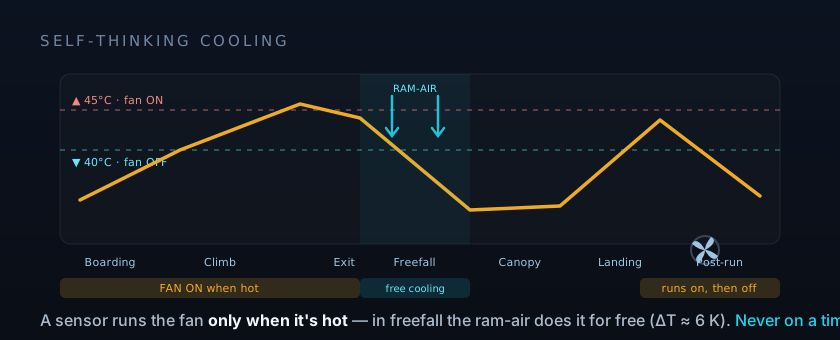
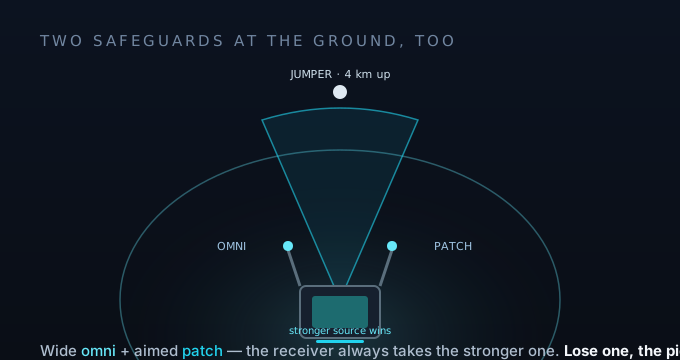
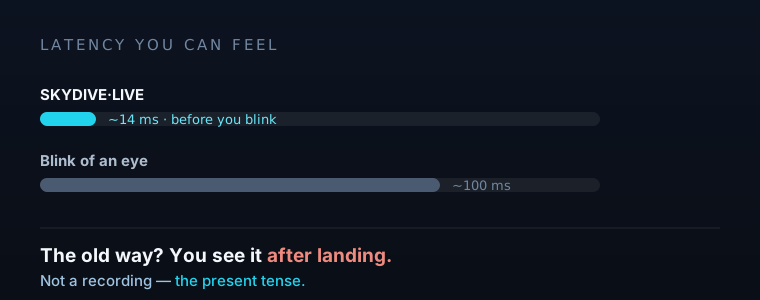
Cooling that thinks for itself, two antennas at the ground, and a picture that's there before you blink.

Self-thinking cooling: fan runs only when hot; freefall ram-air cools it for free. Ground-station diversity: wide omni plus aimed patch, the receiver takes the stronger one. Latency: ~14 ms, before you blink; the old way is footage after landing.